
The short answer
Yes, if you are selling to an individual buyer. Sorting by finish typically raises what a lot fetches by more than the hours cost you, because you are removing the buyer's main risk: not knowing what is in the box.
No, if you are selling to a volume buyer who sorts anyway. They price on the mix, not on the presentation, and neat stacks will not move their number.
Sorting is the only free lever a bulk seller has. Whether pulling it pays depends entirely on who is at the other end.
What sorting is actually worth
Sorted reverse holo bulk sells for 5 to 15 cents a card against 1 to 5 for unsorted. On a thousand cards that spread is $50 or more, for three to five hours of work.
That is roughly $10 to $17 an hour, which is a fair wage for watching television with a stack of cards, and a poor one if you have anything else to do that evening.
The sort that pays and the sort that does not
By finish pays. Three piles: reverse holo, holo, everything else. It is fast, it needs no lookups, and it maps directly onto how bulk is priced.
By set pays sometimes. Useful for older lots where certain sets carry a premium, and pointless on modern mixed bulk.
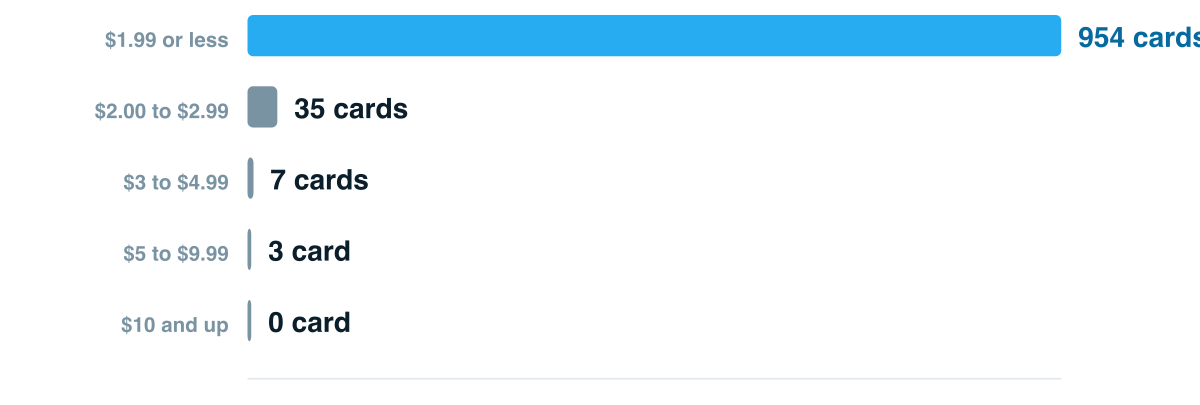
By individual value does not pay. Looking up cards one by one turns an afternoon into a fortnight, and in our inventory it would find about 24 cards per 1,000 above the floor. Pull the obvious ones and stop.
The mistake that costs money
Pulling out every card you think might be good and selling the rest as "bulk" without saying so. Buyers can tell within one page, and the listing that follows gets a lower price than an honest picked lot would have.
Say what you removed. A stated picked lot sells fine; a concealed one gets returned.
The sort that matters most, if you only do one
Pull the foil. That single pass, separating anything shiny from anything matte, captures most of the price difference between an unsorted lot and a sorted one, and it takes a fraction of the time of a full sort.
Buyers understand that pile immediately, and it is honest: you are not claiming a set sort or a value sort, just that the foil is together. That clarity is worth money on its own.
What you need to sort quickly
Nothing expensive. A flat surface, three boxes, and good light are enough for the finish sort, and that is the sort that pays. Sleeves and toploaders only come out for the cards you have decided are worth listing individually.
What does help is doing it in one sitting. Sorting the same box twice because you lost track of which pile was which is how three hours becomes six.
What we do, and why it is different
We sort everything, because scanning is already in our process and the marginal cost of the sort is close to zero. That is not most people's situation, and copying a full time workflow for a one time sale is how a weekend disappears.
If you are selling once, sort by finish, state what you pulled, and stop there. If you are buying, read the same maths from the other side.
Frequently asked questions
- Does sorting bulk increase its value?
Yes when selling to individuals: sorted reverse holo bulk sells for 5 to 15 cents a card against 1 to 5 unsorted. No when selling to a volume buyer who sorts anyway.
- How should I sort bulk cards?
By finish, into three piles: reverse holo, holo and everything else. It is fast, needs no lookups and matches how bulk is actually priced.
- Is it worth looking up every card?
No. In our inventory only about 24 cards per 1,000 are worth more than the floor. Pull the obvious ones and stop.
- How long does sorting take?
Three to five hours per 1,000 cards by hand. Sorting by finish first and pricing later is what keeps it at the low end.
Once the pile is big enough that sorting by hand eats a weekend, the question stops being method and becomes machine. That is the sorting machine category.