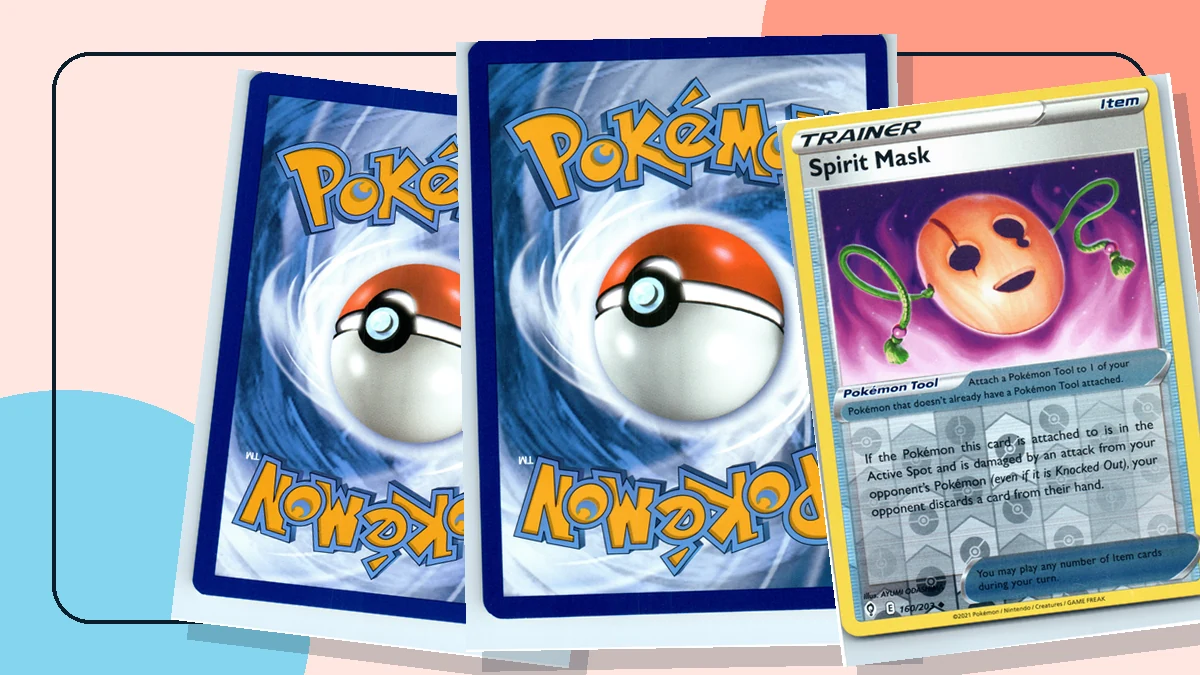

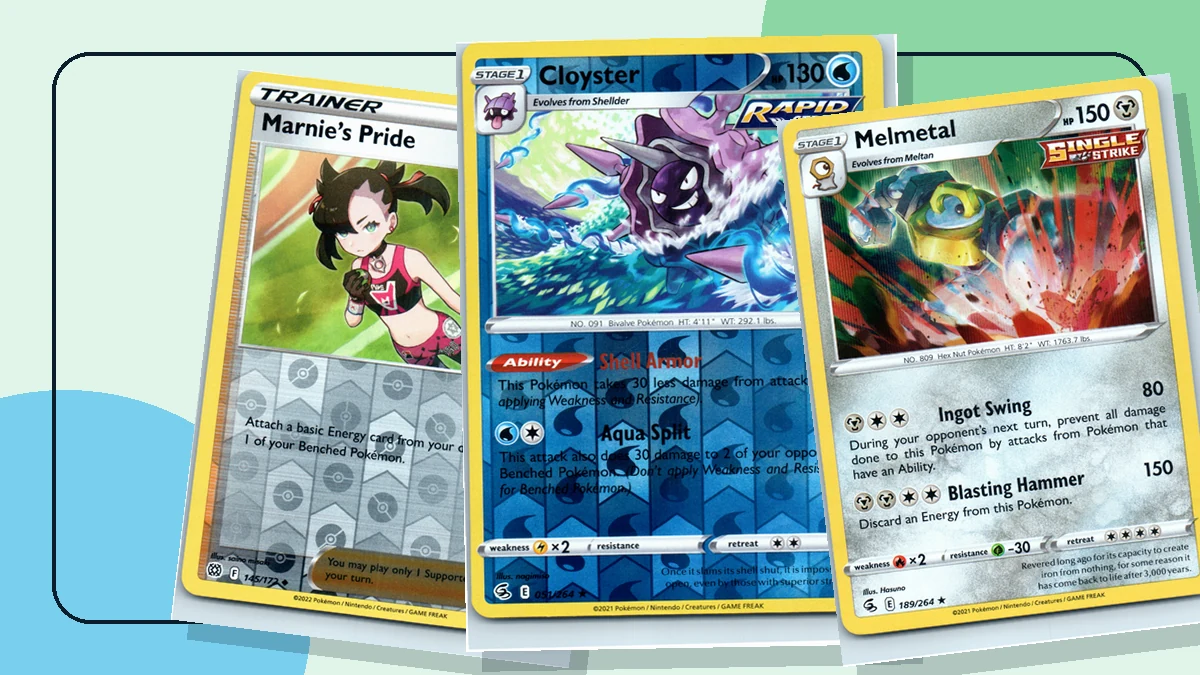
Inspect four areas
Centering shows how evenly the printed design sits within the cut. Corners reveal softness, whitening and bends. Edges show chips, silvering and rough cuts. The surface can carry scratches, print lines, dents, stains or creases. Check every area on both sides.
Near Mint does not mean perfect
A Near Mint raw card can have slight imperfections while remaining clean enough for normal handling and play. Marketplace standards differ in detail, so use the platform's current guide. Do not advertise a raw card as a guaranteed PSA 10. A grader can find defects that photographs miss.
Lightly Played wear should be minor and visible
Lightly Played cards usually show small edge wear, faint scratches or minor corner issues without major structural damage. Moderately Played and Heavily Played cards show progressively stronger wear. A crease, dent or peeling layer deserves explicit disclosure even when the rest looks attractive.
Use light from more than one angle
Look straight on under diffuse light, then tilt the card slowly. Raking light exposes dents and surface scratches. Remove the card from a scratched sleeve before judging it, and use a clean mat so the inspection does not create new damage.
Photograph the defect, not only the card
A trustworthy listing includes the entire front, entire back and close photographs of meaningful flaws. Buyers can accept wear they understand. They react badly to a bright image that hides it.
Condition terms need consistency
Choose one marketplace standard for the inventory and train every person to use it. Lay reference examples beside the work area for borderline corners, whitening, scratches and creases. Without a shared standard, one seller's Lightly Played becomes another seller's Near Mint and buyers receive inconsistent cards.
When a card sits between two conditions, use the lower one and show the reason. Conservative grading may reduce the headline price slightly, but it protects feedback and repeat business. An optimistic label can cost the sale, return postage and the customer's trust.
Sources checked
Before and after the grade
Grading only makes sense once you know what the card actually is: set, print run and finish all change what a graded copy is worth. That is in how to identify a Pokémon card.
And once the card is graded, or once you decide it is not worth submitting, it still has to survive the journey to the buyer: our toploader comparison covers what actually protects a card in transit.
Frequently asked questions
- What makes a Pokémon card Near Mint?
It should be clean overall with only slight imperfections allowed under the marketplace standard being used.
- Does a crease make a card damaged?
A crease is structural damage and should always be disclosed. The exact condition label depends on the platform standard and severity.
- Is raw card condition the same as a PSA grade?
No. Raw marketplace condition categories and professional numerical grades use different processes.
How to check Pokémon card centering
Centering is created when the printed sheet is cut. You cannot improve it safely after the fact, but you can measure it consistently before deciding whether a card is worth a grading fee.
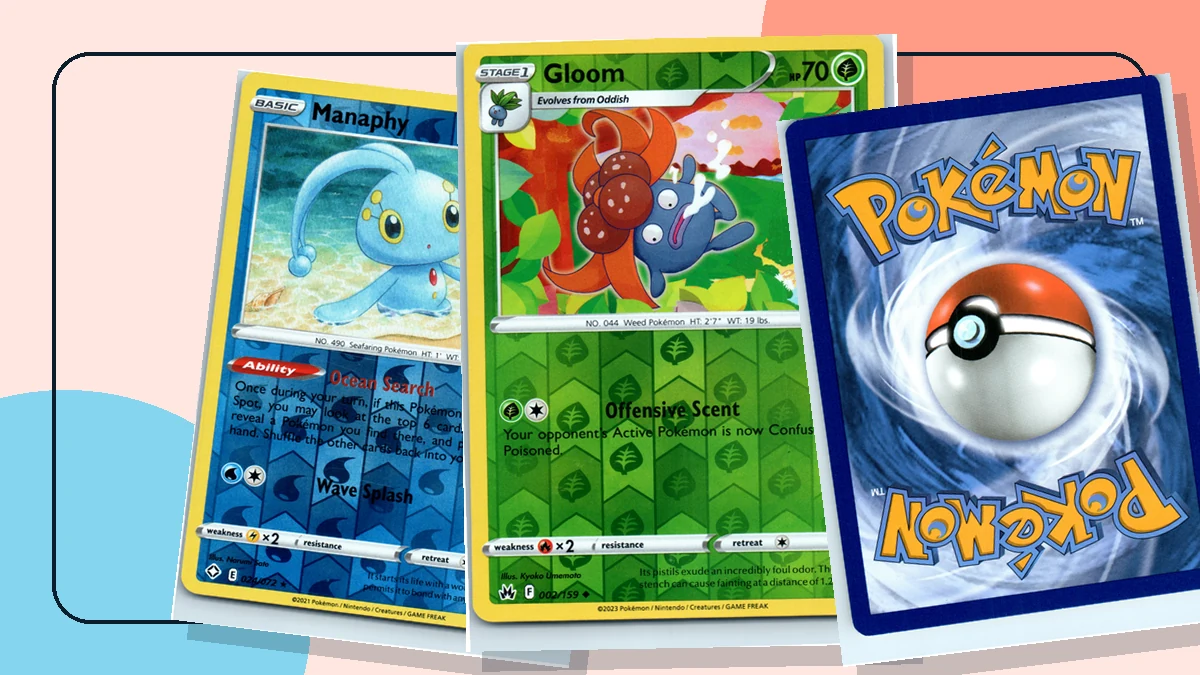
Compare left with right, then top with bottom
Use the outer card edge and the nearest consistent printed frame. Measure both opposite borders in pixels or millimeters. Do not switch reference points halfway around the card. Curved artwork and borderless designs can make a visual guess unreliable.
Convert the measurements into a ratio
If the left and right borders measure 3 and 2 units, the split is 60/40. Perfect equality is 50/50. Repeat the calculation vertically and on the back. The worst direction usually deserves the most attention.
PSA 10 has published tolerances
PSA currently describes approximate centering tolerance for a Gem Mint 10 as no worse than 55/45 on the front and 75/25 on the reverse. That number is a limit, not a guarantee. Corners, edges, surface and overall eye appeal still affect the grade.
Scans work better than tilted photographs
A flat scan or straight overhead photo reduces perspective distortion. Crop exactly to the card edges before measuring. If one side of the photograph is closer to the camera, the ratio can look worse or better than the physical card.
Do not trim or press a card
Changing the edges to improve centering is alteration, not restoration. A grading company may refuse to grade the card. Record the natural cut honestly and let the market decide whether the artwork still has enough eye appeal.
Centering tools can create false precision
A calculator can report 58.4/41.6, but the input photograph may be tilted or cropped one pixel inside the true edge. Treat the result as an estimate. Repeat the measurement on a fresh scan and compare the number with how the card actually looks.
Cards with dark, borderless or asymmetrical designs need extra care because the visible frame may not represent the intended cut reference. Professional graders evaluate the complete card, not only a ratio produced by an app.
Sources checked
Frequently asked questions
- What is perfect Pokémon card centering?
A perfectly even design is described as 50/50 from left to right and top to bottom.
- What centering does PSA allow for a 10?
PSA currently publishes an approximate limit of 55/45 on the front and 75/25 on the reverse, with grader discretion and other factors still applying.
- Can I measure centering from a photo?
Yes, if the card is photographed perfectly straight and cropped to the exact edges. A flat scan is usually more reliable.
PSA grades explained for Pokémon cards
PSA uses a ten point scale after the card passes authentication. The number summarizes the card, but the published standards still refer to corners, focus, gloss, staining, centering and overall eye appeal.
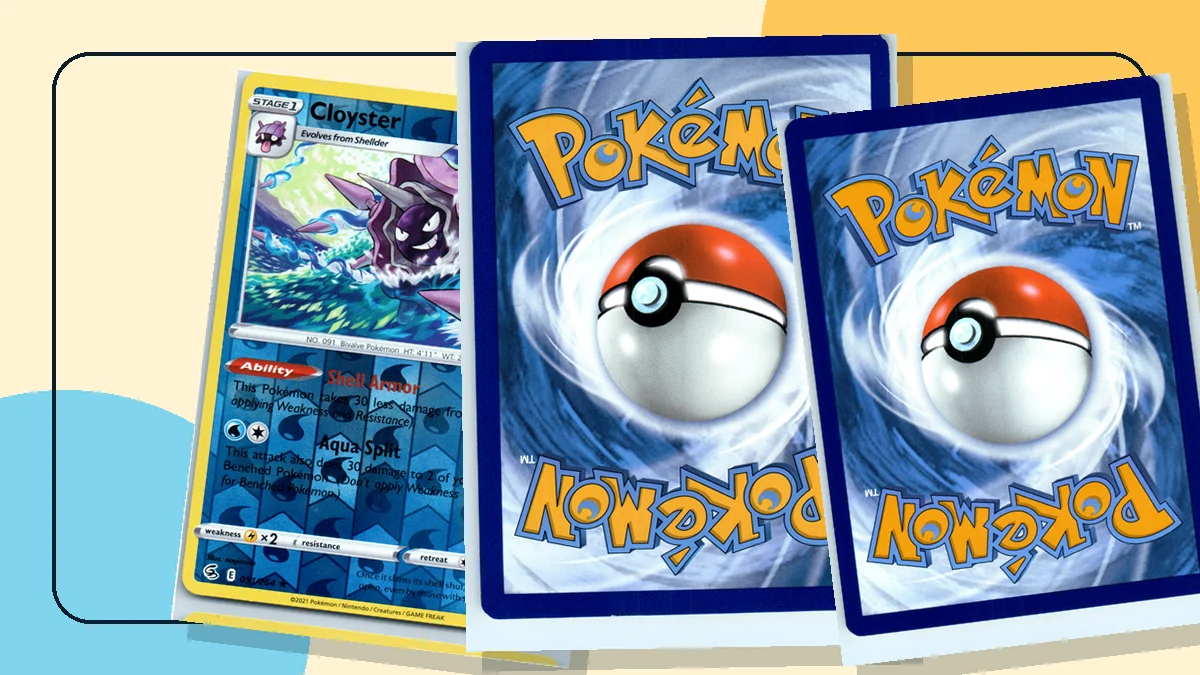
PSA 10 is Gem Mint
PSA describes a 10 as virtually perfect, with sharp corners, sharp focus and full original gloss. A slight printing imperfection may be allowed when it does not hurt eye appeal. Published centering tolerance is approximately 55/45 on the front and 75/25 on the reverse.
PSA 9 is Mint
A 9 can have one minor flaw, such as a slight wax stain on the reverse, a minor printing imperfection or slightly off white borders. The difference between 9 and 10 can be small in the hand and large in the market.
PSA 8 through 6 are still collectible grades
Near Mint Mint 8, Near Mint 7 and Excellent Mint 6 permit progressively more visible wear. On scarce vintage cards, these grades can remain highly desirable because the alternative may be a much more expensive high grade copy.
Lower grades document real cards with real history
Grades 5 through 1 allow increasing corner wear, scratches, staining, creases and other defects. A PSA 1 can still be authentic and complete. Low grade does not mean fake. It means the card's physical condition sits at the lower end of the scale.
The label is not a substitute for looking
Two cards with the same number can have different eye appeal. Review the front, back and certification record before buying. Check the label details against the card and verify the certification number through PSA.
Buy the card before the number
Open the certification record and compare the label description with the card. Then look at the front and back images at full size. Centering, print lines and eye appeal can vary within one numerical grade. A strong 9 can be more attractive for a personal collection than a weak looking 10 at a much higher price.
For vintage cards, decide whether the grade or the presentation matters more. Some collectors prefer a clean lower grade copy with balanced artwork. Others need a particular registry grade. Knowing that preference prevents the plastic label from making the decision for you.
Sources checked
Frequently asked questions
- What does PSA 10 mean?
PSA 10 is Gem Mint, a virtually perfect card under PSA's published standard.
- Is PSA 9 a bad grade?
No. PSA 9 is Mint and can be an excellent copy with only a minor flaw.
- Does PSA grade authenticity and condition together?
PSA first determines whether a card is authentic, then assigns a condition grade when it is eligible.
Understanding the grades is what comes before submitting. What to check before anything goes in an envelope is in the PSA submission checklist.
How much PSA grading costs in 2026
PSA changed several prices in February 2026 and later paused its Value services during a large backlog. Always confirm the live services page before packing a card because availability and turnaround estimates can change.
The currently available published tiers
At the time of this update, PSA lists Regular at $79.99 per card with a maximum insured value of $1,500. Express is $149 with a $2,500 maximum. Super Express is $349 with a $5,000 maximum, and Walk Through is $599 with a $10,000 maximum. Higher Premium levels are available for more valuable cards.
Value services are temporarily paused
PSA's live services page currently marks Value Bulk, Value, Value Plus and Value Max as unavailable. The February 2026 update had listed prices from $24.99 for Value Bulk to $64.99 for Value Max before the pause. Do not build a submission around a closed tier.
Declared value chooses the tier
The maximum insured value is not the raw price you paid. It relates to the card's value after grading and controls which service level can cover it. Understating the likely value can produce an adjustment or leave the submission in the wrong tier.
Shipping changes the cost per card
Outbound postage, insurance and PSA return shipping are spread across the number of cards in the order. A single inexpensive card can therefore cost much more per card than a carefully screened group. Membership fees can also matter for club only services.
Use today's page, not an old video
Prices and estimated turnaround times move with demand. Check the official services page on the day you submit, save a copy of the order terms and calculate whether the expected grade still clears the full cost.
A sample cost calculation
A $79.99 Regular submission is not an $80 decision. Add the share of outbound insured postage, return shipping and packing supplies. If the card will be sold, add the marketplace percentage and expected shipping to the buyer. A $20 raw card can need a surprisingly high graded price just to break even.
Group submissions only after screening every card. Sending more weak candidates to reduce postage per card is false savings. The cheapest card in the order is the one you decide not to grade after finding a dent under angled light.
Sources checked
Frequently asked questions
- What is the cheapest available PSA tier right now?
At the time of this update, PSA lists Regular at $79.99 per card because the lower Value services are temporarily paused.
- Does the PSA price include shipping?
No. Collectors should budget for outbound shipping, insurance and return shipping in addition to the service fee.
- Can PSA prices change?
Yes. Service availability, prices and turnaround estimates can change, so confirm the live services page before submitting.
The cost is only half the sum. The other half is the card value where it starts paying off, and that is what the grading break-even calculator answers.
Is your Pokémon card worth grading
Grading makes sense when authentication, protection or the likely market premium is worth more to you than the fee, shipping, risk and waiting time. The calculation begins with a realistic grade, not a hoped for 10.

Decide why you want the slab
A personal card can be worth grading for protection and display even when the numbers do not produce a profit. A card intended for resale needs a stricter test. Authentication can also matter for a commonly counterfeited vintage card.
Estimate more than one possible grade
Inspect centering, corners, edges and surface. Then price the card at a conservative grade, a likely grade and an optimistic grade. If the submission only works financially at PSA 10, it is a fragile decision.
Use sold prices for the exact card
Compare the same set, collector number, language and variant. Look at recent completed sales, not active asking prices. Separate raw, PSA, CGC and Beckett results because the market can price the labels differently.
Count the complete cost
Add the grading tier, membership cost if required, outbound shipping, insurance, return shipping, supplies and any marketplace fee you expect when selling. Also account for the card being unavailable while it is away.
Keep the card raw when the margin is thin
A clean binder card can be easier to sell than a low grade slab of an inexpensive modern card. If the expected value after all costs is close to the raw value, grading adds risk without enough reward. Use Celeste's grading break even calculator to test the full range before submitting.
Calculate the break even grade →
Run the decision at a lower grade
If you expect a 9, calculate the outcome at 8 as well. Subtract the complete submission cost and the marketplace fee from a recent sold price. Then compare the remainder with what the raw card could sell for today. That downside case is often more useful than the exciting PSA 10 comparison.
Population reports add context, but they do not show every raw copy or future submission. A low population can reflect true scarcity, low demand or a card that collectors rarely bother to grade. Use population as evidence, not as a guarantee of price growth.
Sources checked
Frequently asked questions
- What value should a Pokémon card have before grading?
There is no universal minimum. Compare the full grading cost with realistic sold prices at several possible grades.
- Should I grade a card for my personal collection?
Yes, if authentication, protection or display value matters enough to justify the cost, even without a resale profit.
- Should I assume a pack fresh card will get a 10?
No. Pack fresh cards can have poor centering, print lines, edge damage or surface defects.
How to store Pokémon cards safely
Paper cards dislike friction, pressure, water, direct light and unstable humidity. A safe system reduces those risks without making the collection impossible to enjoy.
Sleeve every card you care about
A clean soft sleeve protects the surface from binder pockets and rigid plastic. Insert one lower corner first, then guide the other corner without forcing it. Replace a sleeve that has grit, clouding or a split seam.
Use a binder for viewing
A side loading, fixed page binder keeps a display collection organized and reduces the chance that cards fall from the top. Do not overfill pages or place several valuable cards in one pocket. Store the binder upright only when the pages remain supported and flat.
Use rigid protection for movement
A sleeved card in a top loader or other rigid holder resists bending during handling and shipping. Close the opening with a team bag rather than putting adhesive near the card. PSA requests flexible semi rigid holders for submissions, so storage and submission needs are not identical.
Control the room
Keep cards in a clean interior space away from windows, pipes, garages, attics and floors. Avoid direct sun and rapid changes in temperature or humidity. Never place a drink above the collection, and keep boxes where pets and children cannot crush them.
Label the location
Record the binder, page, box and row for important cards. A storage system fails when finding one card requires handling hundreds of others. Inventory records also make it easier to spot a missing card before much time passes.
Check the collection twice a year
Look for warped pages, new odors, condensation, insects, sleeve clouding and pressure marks. Confirm that boxes are still off the floor and away from exterior walls. A storage setup that was safe in winter can sit beside a hot window or humid vent in summer.
Do not seal damp cards into plastic. If a collection has experienced water, smoke or mold, separate it from clean inventory and consult a paper conservation professional for valuable material. Home cleaning chemicals can permanently change the surface.
Sources checked
Frequently asked questions
- Should Pokémon cards be stored in sleeves?
Yes. A clean soft sleeve is the basic protection for any card you want to preserve.
- Is a binder safe for Pokémon cards?
A quality side loading binder is suitable when cards are sleeved, pages are not overfilled and the binder is stored carefully.
- Can sunlight damage Pokémon cards?
Yes. Direct light can fade printing and heat the storage area, so keep cards away from sunny windows.
How to sleeve Pokémon cards without damaging them
Most sleeve damage happens at the opening. A corner catches, the card is forced, or dust inside the plastic drags across the surface. Clean hands and a slow angle prevent nearly all of it.
Prepare a clean surface
Wash and dry your hands, clear the table and inspect the sleeve for dust or a damaged seam. Hold the card by its edges. Gloves are not necessary for normal cards and can reduce control if they are loose.
Insert one lower corner first
Open the sleeve gently, place one lower corner inside and lower the second corner into position. Let the sleeve accept the card. Do not press down on the center or force a corner that has caught the plastic.
Choose the sleeve for the job
A standard penny sleeve offers inexpensive surface protection. A perfect fit sleeve reduces movement but is tighter and requires more care. Deck sleeves are made for repeated play. Use archival safe, PVC free materials for long term storage.
Add rigid protection in the opposite direction
For shipping or frequent movement, place the sleeved card into a top loader with the soft sleeve opening facing down. The two openings then sit on opposite ends. A team bag can close the outer holder without tape touching the card or sleeve.
Know when not to use a tight sleeve
A card with a lifted corner, peeling layer or severe bend can catch inside a perfect fit sleeve. Use a looser soft sleeve and seek professional advice for a valuable damaged card. Protection should never require force.
Practice with a common card
Before using a new tight sleeve or holder, test the fit with an inexpensive card of the same size. The card should enter smoothly and sit flat. If the sleeve bows the card or requires pressure on the corners, choose another product.
For a deck, replace sleeves as a set when backs become distinguishable. Marked sleeves can create a tournament problem even when the cards are unharmed. For a collection, replace only the damaged sleeve and inspect the card before returning it.
Sources checked
Frequently asked questions
- Which corner goes into a card sleeve first?
Guide one lower corner in first, then lower the other corner without forcing either edge.
- Should the sleeve opening face down in a top loader?
That is a useful method because the soft sleeve and rigid holder openings sit on opposite ends.
- Are PVC sleeves safe for long term storage?
Choose products explicitly described as archival safe, acid free and PVC free for long term storage.