Follow the construction rules
A normal Pokémon TCG deck contains exactly 60 cards and at least one Basic Pokémon. Other than Basic Energy, you can include no more than four cards with the same name. The format also controls which regulation marks and older reprints are legal.
Choose one main route to victory
Pick a primary attacker and define what it needs: an Evolution line, Energy acceleration, cards in the discard pile or a particular Stadium. Add a secondary attacker only when it solves a clear matchup or resource problem.
Use Trainer cards to find the pieces
Draw Supporters, search Items, switching cards and recovery make the deck repeat its plan. New players often use too many Pokémon and Energy because those cards look like the action. In practice, Trainer cards are what make the action arrive on time.
Start from a tested list
Copying a successful legal list is a useful lesson, not cheating. Play it without changes long enough to understand each count. Then change a few cards at a time and record whether the deck became more consistent.
Test the opening turns
Shuffle and draw sample hands. Can you start with a Basic Pokémon, find the main attacker and attach the right Energy? Play full games against different strategies and track dead cards. A deck list becomes yours when every slot can defend its place.
Fix consistency before adding another attacker
When a deck loses, identify the turn where the plan failed. Did it miss a Basic Pokémon, draw no search card, lack Energy or struggle to move the Active Pokémon? Replace cards that rarely help with cards that solve the repeated failure. Adding a powerful third attacker often makes the original plan harder to draw.
Use proxies with friends when testing an expensive change, as long as everyone agrees and the event allows it. Buy the real card after the list proves it needs the slot. Testing first keeps the deck budget focused.
Sources checked
Where the cards come from
Building a list is one problem, sourcing it is another. Packs, boxes, bundles or singles covers why buying the four cards you need is almost always cheaper than opening product until they show up.
And if you are pulling cards out of an old collection to build with, how to identify a Pokémon card tells you whether the copy in your hand is the one worth sleeving or the one worth selling.
Frequently asked questions
- How many cards are in a Pokémon deck?
A normal constructed Pokémon TCG deck must contain exactly 60 cards.
- How many copies of one card can I use?
You can use up to four cards with the same name, except Basic Energy, unless a card rule says otherwise.
- How much Energy should a beginner deck have?
Older official beginner guidance suggested 15 to 19, but modern competitive decks can use fewer. Start from a tested list built for your strategy.
How many cards are in a Pokémon deck
A normal constructed Pokémon TCG deck contains exactly 60 cards. It needs at least one Basic Pokémon, and no card other than Basic Energy can normally appear more than four times under the same name.

The six Prize cards come from the deck
After shuffling and drawing an opening hand of seven, each player places the top six cards of the same 60 card deck face down as Prize cards. You do not build a 66 card list. Prize cards are part of the deck and become temporarily unavailable during play.
The four copy rule uses the card name
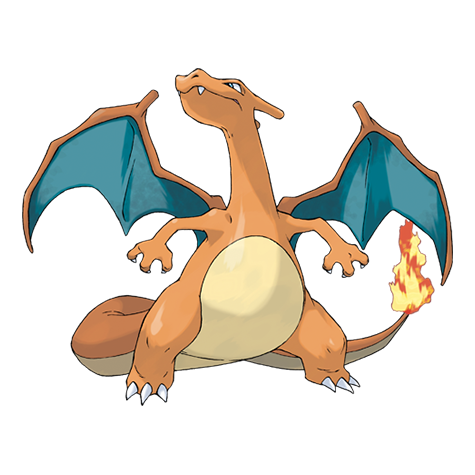
You can normally include up to four cards with the same name, even when the artwork or set number differs. Different Charizard cards named Charizard still share the limit. A card with a different full name can be treated separately when the rules support it.
Basic Energy is the main exception
You may include more than four Basic Energy cards. Special Energy has a specific card name and normally follows the four copy rule. The right Energy count depends on attack costs, acceleration and search cards.
There is no mandatory Pokémon Trainer Energy ratio
The official rules fix the total, not a universal category split. A beginner product may use a simple balance, while a competitive deck often devotes many slots to Trainer cards for consistency. Copy a reliable list before inventing a ratio from scratch.
Smaller teaching decks are separate formats
My First Battle and other learning products can use reduced decks and simplified setup. Those are useful teaching tools, but they do not change the 60 card requirement for normal constructed play and tournaments.
A simple way to count the finished list
Separate Pokémon, Trainer cards and Energy, then count each group and add the totals. Record the set code and collector number for tournament lists. Sleeves, markers, the coin and damage counters do not count toward the sixty.
After every edit, count again. It is easy to remove two cards and add three while testing. A deck that works at the kitchen table can still be rejected from an event when the submitted list or physical count is wrong.
Sources checked
Frequently asked questions
- Can a Pokémon deck have more than 60 cards?
Not in normal constructed play. The deck must contain exactly 60 cards.
- Do Prize cards count as part of the 60 cards?
Yes. The six Prize cards are taken from the shuffled 60 card deck during setup.
- Can I have more than four Energy cards?
You may include more than four Basic Energy cards. Special Energy normally follows the four copy rule.