
Booster boxes maximize pack volume
A standard English booster box commonly contains 36 packs for regular expansions. Special sets do not always receive booster boxes. Compare the total price with the verified pack count and remember that a sealed box does not promise a particular high rarity card.
Elite Trainer Boxes include a kit
An ETB usually combines packs with sleeves, Energy cards, dice, condition markers, dividers, a guide and a storage box. Modern examples often include a promotional card. The pack count and contents can change by set, and Pokémon Center editions can differ from retail versions.
Booster bundles remove the accessories
A booster bundle is built around a small group of packs, commonly six, without the full ETB accessory kit. It suits collectors who want a modest opening and already own sleeves, dice and storage.
Calculate cost per pack correctly
Subtract only the value you genuinely place on the promo and accessories, then divide the remaining price by the number of packs. Do not assign full retail value to dice or sleeves you did not want. Shipping and retailer discounts can reverse the comparison.
Check the official product page
Anniversary and special products break normal patterns. For example, 30th Celebration packs use a special six card configuration and its ETB contains nine packs. Read the exact contents before using a general rule.
Watch for product names that sound similar
A Pokémon Center Elite Trainer Box is not the same product as the retail ETB. It can contain more packs and an additional stamped promo. A Build and Battle Box serves players preparing for prerelease play. A collection box may have fewer packs because much of the price sits in visible promos or accessories.
Before preordering, copy the official contents into your notes and calculate what each piece means to you. Marketing photographs can make a large box feel like more card product even when the pack count is modest.
Sources checked
- Pokémon Support product guide
- Official 30th Celebration product showcase
- Official Scarlet and Violet ETB contents
What to do with what you pull
Whatever you open, the next question is what each card is. How to identify a Pokémon card covers rarity marks, collector numbers and finish, and the condition and grading guide covers what a pack fresh card is actually graded at, which is rarely a 10.
If you are opening to resell, put your real numbers into the eBay profit calculator before you buy the case.
Frequently asked questions
- How many packs are in a Pokémon booster box?
A regular modern English booster box commonly contains 36 packs, but special sets may not have booster boxes.
- What is the difference between an ETB and a booster bundle?
An ETB includes accessories and storage. A booster bundle is mainly a smaller group of packs.
- Which product has the best cost per pack?
It depends on the set and sale price. Booster boxes often win on volume, but discounts and the value of an ETB promo can change the result.
How many cards are in a Pokémon booster pack
Current regular English booster packs contain ten game cards, plus one Basic Energy and one code card for Pokémon TCG Live. The game card mix is four commons, three uncommons and three foil cards, with at least one rare or higher.
The modern regular pack configuration
Pokémon Support currently lists ten game cards: four commons, three uncommons and three foils, with at least one foil at rare or higher. The pack also carries one Basic Energy and one code card. That means twelve physical pieces can come out of the wrapper even though the product is described as a ten card booster.
Scarlet and Violet changed the foil expectation
Beginning with the Scarlet and Violet Series, regular packs guarantee three foil cards and every card at rare or higher is foil. Advice based on older Sword and Shield pack arrangements can therefore describe the wrong card order.
Special sets can use special packs
30th Celebration is a clear exception: each pack contains five foil cards and one foil Basic Energy. Holiday and anniversary products may also distribute packs only through boxes, tins or bundles rather than ordinary booster boxes.
Japanese packs follow their own product rules
Do not use the English card count for a Japanese pack. Japanese sets can use different pack sizes, box counts and rarity arrangements. Read the Japanese product listing or a trusted checklist for the exact release.
A card count cannot prove a pack is safe
Correct contents do not rule out resealing or substitution. Buy from a reputable source, preserve the receipt and photograph a suspicious product before opening further. Weight alone is not a universal authenticity test across modern sets.
Why online answers disagree
Pokémon pack configurations have changed across eras and regions. An older article can accurately describe the pack it opened and still be wrong for a current product. Search with the expansion name, language and release year whenever the exact arrangement matters.
If a sealed pack appears to contain the wrong number of cards, document the wrapper, seams, weight and purchase source before making a claim. Manufacturing errors exist, but so do resealed products and simple counting mistakes involving the code or Energy card.
Sources checked
- Pokémon Support booster pack contents
- Official Scarlet and Violet pack changes
- Official 30th Celebration product showcase
Frequently asked questions
- How many cards are in a modern English Pokémon pack?
There are 10 game cards, plus one Basic Energy and one Pokémon TCG Live code card.
- How many foil cards are in a modern pack?
Current regular English packs contain three foil cards, with at least one card at rare or higher.
- Do all Pokémon packs have ten cards?
No. Special sets, Japanese products and older eras can use different configurations.
Should you buy Pokémon singles or booster packs
Singles are usually the efficient route to a specific collection. Booster packs sell an experience with an uncertain result. Both can be worthwhile when the purchase matches the reason you are making it.
Buy singles for a checklist
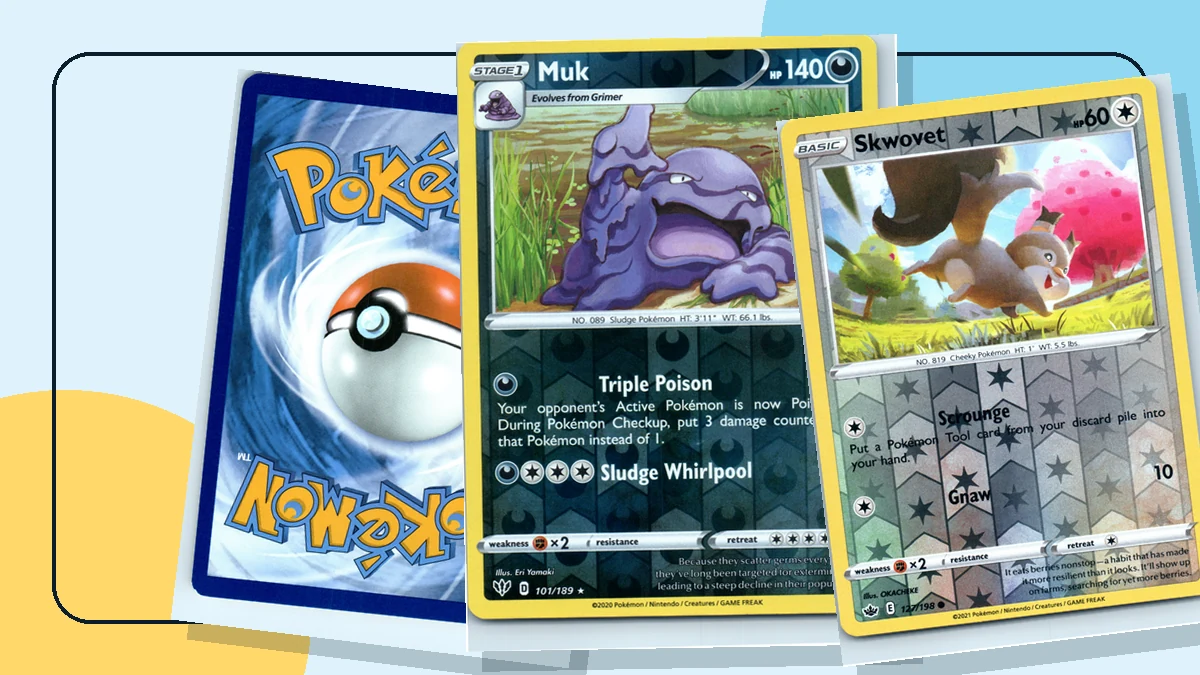
A single card listing shows the set, collector number, variant and condition before you pay. That control matters when finishing a set, collecting one Pokémon or building a deck. The remaining risk is seller accuracy, not random pack contents.
Buy packs for the opening
A booster pack gives you suspense, trade material and a chance at a chase card. Its value is partly entertainment. If a disappointing pull makes the purchase feel wasted, you probably wanted the single instead.
Do not compare a box price with the top chase alone
The existence of a valuable card does not make the expected contents equal to the box price. Pull rates, duplicate cards and the price of ordinary cards matter. A headline chase is possible, not promised.
Use a split budget
Collectors who enjoy both can reserve a small opening budget and put the rest toward planned singles. Stop when the opening budget is gone. Chasing a card by buying more packs after each miss is how entertainment turns into an uncontrolled expense.
Check the source of sealed product
Buy sealed packs from sellers with a clear reputation and return policy. Loose vintage packs require special caution because pack history, weighing and resealing concerns affect trust. A bargain is not useful when the product cannot be verified.
Compare the purchase after the excitement is gone
Write down the price of the sealed product and the cards you genuinely wanted from the opening. Do not assign a generous value to every common card simply to make the result look better. After several openings, the pattern will show whether packs are entertainment you enjoy or an inefficient attempt to buy singles.
Children and families may value the shared opening, trading and deck building more than resale value. That is a legitimate return. The important part is naming it honestly instead of presenting every pack as an investment.
Sources checked
Frequently asked questions
- Is it cheaper to buy Pokémon singles?
For a specific card or checklist, singles are usually more predictable and often cheaper than opening until you pull it.
- Are booster packs a bad purchase?
No. They can be good entertainment. The mistake is treating an uncertain opening as a guaranteed way to acquire a card.
- How should I split my Pokémon card budget?
Set a fixed amount for openings and use the rest for planned singles, supplies or events.
How to start collecting Pokémon cards in 2026
The easiest way to waste money in this hobby is to buy whatever happens to be on the shelf. A collection becomes more satisfying when it has a simple rule: one Pokémon, one artist, one set, one era or one playable deck.
Choose what you are collecting
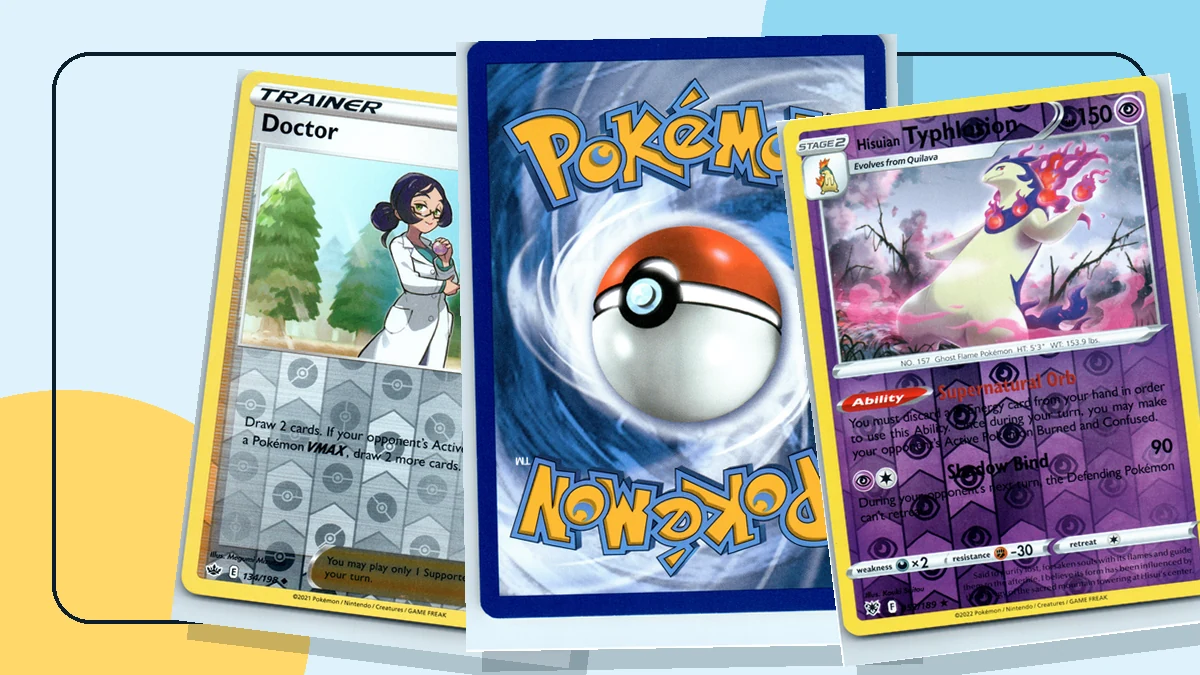
Start with a target that fits on one sentence. You might collect every card illustrated by Tomokazu Komiya, every English Psyduck, a complete set, or only cards you pull yourself. That sentence stops random purchases from becoming an expensive box of unrelated cardboard. It also tells you which checklist to use and which cards can be ignored without regret.
A complete modern master set is a demanding first project because it can include regular cards, reverse foil variants, illustration rares, promotions and stamped versions. A character collection or a standard set without every parallel is easier to finish and easier to understand.
Buy a few singles before a sealed box
Opening packs is entertainment. Buying singles is acquisition. Spend a small part of the first budget on packs if opening is part of the fun, then use the rest on exact cards. A booster box cannot promise the illustration rare you want, while a reputable singles listing shows the card and condition before money changes hands.
Build the protection into the budget
Buy soft sleeves before expensive cards. A side loading binder works for a display collection. A sleeve inside a rigid holder works for cards that travel or need more structure. Keep food, drinks, direct sun and humid storage spaces away from paper cards. Protection is not the glamorous purchase, but it preserves every purchase that follows.
Record enough information to find the card again
Save the name, collector number, set, language, variant, condition, purchase price and storage location. A photo of the front and back is better than a vague note that says rare Pikachu. Good records prevent duplicate purchases and make insurance, selling or completing a set much less painful.
A sensible first month
- Choose one collecting rule and a monthly limit.
- Buy sleeves and one appropriate storage method.
- Purchase five inexpensive singles that fit the rule.
- Open one product only if the opening itself is worth the cost to you.
- Review what you enjoyed before buying more.
The right collection is not the one with the largest market value. It is the one you can explain, maintain and enjoy without hiding the credit card statement.
Three purchases beginners often regret
The first is a mystery lot whose seller never shows the exact cards. The second is an expensive sealed product bought only because social media called it an investment. The third is a premium binder purchased before the collector knows what the binder needs to hold. None of these products is automatically bad. The problem is buying before the collection has a purpose.
Keep the first receipts and compare them with the collection after thirty days. Which cards would you buy again? Which opening was worth the price even without a valuable pull? That small review teaches more about your taste than a ranking of the hottest sets.
Sources checked
Frequently asked questions
- What Pokémon cards should a beginner collect?
Choose a favorite Pokémon, artist, set or era. A narrow goal is easier and cheaper than trying to collect everything.
- Should a beginner buy packs or singles?
Buy packs for the experience and singles for specific cards. Most beginners get better control from putting the larger share of the budget into singles.
- What supplies do I need first?
Start with soft sleeves and either a side loading binder or rigid holders. Add storage boxes only when the collection needs them.