
The short answer
Replying to positive feedback does nothing measurable for ranking and takes time you do not have at $2.25 a sale. Replying to negative or neutral feedback matters, because that reply is written for the next hundred buyers who read it, not for the person who left it.
Leaving feedback for buyers is optional and eBay no longer allows negative buyer feedback anyway, so it is a courtesy rather than a tool.
New sellers spend real hours on this because it feels like customer service. Most of it is not.
Positive feedback: skip the reply
A reply to "great card, fast shipping" is seen by almost nobody. It does not affect your rating, your ranking or your defect rate, and at a hundred sales a month it is an hour that could have been spent listing.
The exception is a buyer who wrote something detailed or personal. That is a person, and a one line thank you is worth sending because they will buy again.
Negative feedback: always reply, and write it for strangers
Your reply appears permanently under the complaint. Every future buyer who reads your feedback sees both, which means the reply is a public statement about how you handle problems.
| What the reply should do | What it should never do |
|---|---|
| State the fact briefly | Argue about who was right |
| Say what you did to fix it | Blame the buyer or the carrier |
| Stay short and calm | Explain at length |
| Be readable by a stranger | Assume context the reader does not have |
"Refunded in full the same day and covered return postage" tells a stranger everything they need. A paragraph defending yourself tells them you are difficult, whatever the facts were.
Ask for removal when it qualifies
eBay removes feedback in specific cases: the buyer is complaining about something covered by a carrier delay outside your stated handling time, the comment contains prohibited content, or the case was found in your favour.
It is worth requesting when it applies. It is not worth requesting when it does not, because the answer is no and the time is gone.
The metric that actually matters
Your defect rate and late shipment rate affect your standing far more than any reply. Those come from cancelling orders, cases closed without seller resolution, and dispatch after your stated time.
Which means the real feedback work happens before the sale: an accurate condition description and a photo of the back, which is why we scan both sides of every card. A buyer who saw the wear before paying does not leave a neutral about it.
Feedback you leave for buyers
eBay removed negative buyer feedback years ago, so what you leave is either positive or nothing. That makes it a courtesy rather than a signal, and automating it is fine.
The one case worth doing by hand is a buyer who bought several cards at once. A short note costs a minute and multi card orders are the ones that make the fixed costs of shipping work.
What we do
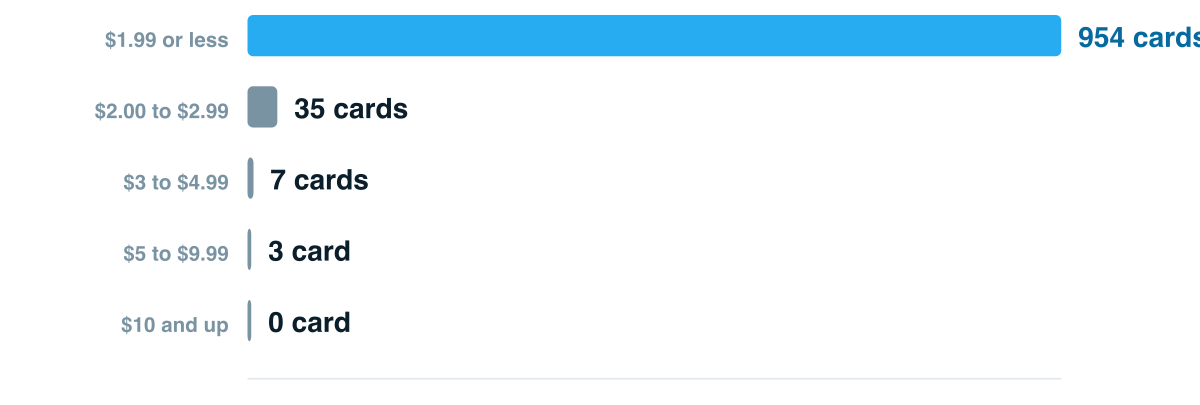
No replies to positives, a short factual reply to anything less than positive, and the time saved goes into listing. On a catalogue where the average sale nets $2.25, the hour matters more than the courtesy.
Related: the listing mistakes that cause complaints in the first place.
Frequently asked questions
- Should I reply to positive eBay feedback?
Generally no. It does not affect your rating, your ranking or your defect rate, and at $2.25 a sale the time is better spent listing. Reply when a buyer wrote something personal.
- How should I respond to negative feedback?
Briefly, factually, and for the strangers who will read it later. State what you did to fix it and stop. Arguing tells future buyers you are difficult, whatever the facts were.
- Can negative feedback be removed?
In specific cases: carrier delays outside your stated handling time, prohibited content in the comment, or a case found in your favour. Request it when it applies and not otherwise.
- What affects seller standing more than feedback?
Defect rate and late shipment rate, which come from cancellations, cases closed without resolution, and dispatching after your stated time.