

TPCi's official partnered vendors can no longer sell graded slabs, Japanese Pokémon Center merchandise, or single cards priced over $1,000 at sanctioned events. The rule took effect at the 2026 Indianapolis Regional Championships on May 30, and it now extends to North America Internationals and Worlds. It applies to official vendor booths specifically, not to the players walking around them.
What's actually banned, and what isn't
Three categories are off the table for official vendors: graded slabs from any grading company, Japanese Pokémon Center products, and any single card priced above $1,000, regardless of grade. Everything else at those booths, singles under that price, sealed product, sleeves, playmats, official Play! Pokémon merchandise, stays exactly the same.
What's not touched at all is anything outside the official vendor floor. Private sales between collectors, unofficial card shows held nearby, online marketplaces like eBay and WhatNot, and local game stores are all unaffected. This is a rule about what an official TPCi-partnered booth can put on its table, not a rule about the hobby's resale market as a whole.
Why draw the line at $1,000 and graded slabs specifically
Both categories share the same trait: they're priced for investment more than for play. A graded slab exists to certify condition for resale, not to go into a deck, and a card priced over $1,000 is functionally the same purchase whether it's graded or not. Reporting on the change frames it as part of a wider push to keep official events focused on players and families rather than the high-value resale activity that's grown up around limited merchandise and rare cards.
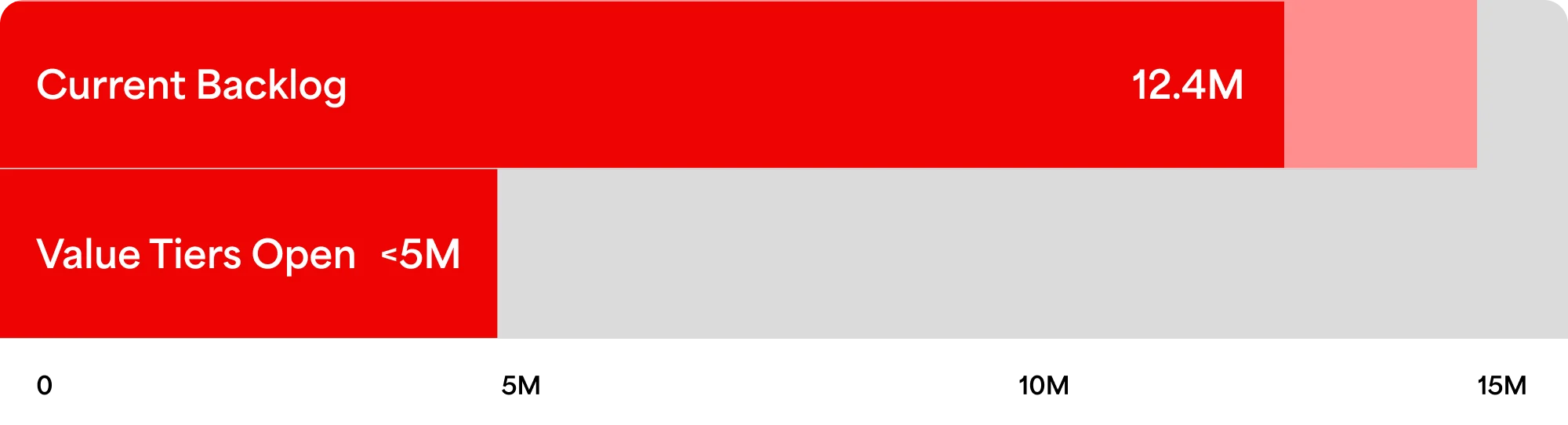
That reasoning tracks with something we've already covered here: the PSA grading backlog sitting above 12 million cards is itself a symptom of how much of the hobby's activity now runs through third-party grading rather than through play. TPCi pulling graded slabs off its own event floors doesn't fix that backlog, but it does draw a clear line between "official Pokémon event" and "grading-driven secondary market," at least inside the door.
It's also worth noticing what the rule doesn't try to do. TPCi isn't asking players to leave their own graded collections at home, isn't restricting trades between attendees, and isn't touching how any outside business, Celeste included, prices and lists a graded card away from an event. The line is drawn specifically around what an official-branded booth is allowed to sell under its own banner, which is a much narrower target than "the resale market."
What this means if you sell singles
For a seller who deals mostly in raw singles under $1,000, close to nothing changes: that's exactly the inventory still allowed at an official booth, and it's the inventory Celeste already lists. The rule mainly affects vendors whose business model leaned on selling graded chase cards or imported Japanese Pokémon Center exclusives directly off an event floor, a narrower slice of the market than the headlines about a "scalper crackdown" might suggest.
If anything, it points toward one steady conclusion: a business built around raw, ungraded singles at ordinary prices was never the target of this rule, and stays that way regardless of how the policy evolves at future events. We'll keep watching for whether it spreads to more event tiers, but there's nothing here to act on today.
Frequently asked questions
- When did the ban on graded slabs start?
The rule took effect at the 2026 Indianapolis Regional Championships on May 30, 2026, and extends to NAIC and Worlds.
- What exactly is banned?
Official partnered vendors at TPCi-sanctioned events can no longer sell graded slabs, Japanese Pokémon Center products, or any single card priced over $1,000.
- Does this affect selling on eBay or at local card shops?
No. The rule applies only to official partnered vendor booths at TPCi-sanctioned events. Private sales, unofficial card shows, online marketplaces and local game stores are unaffected.