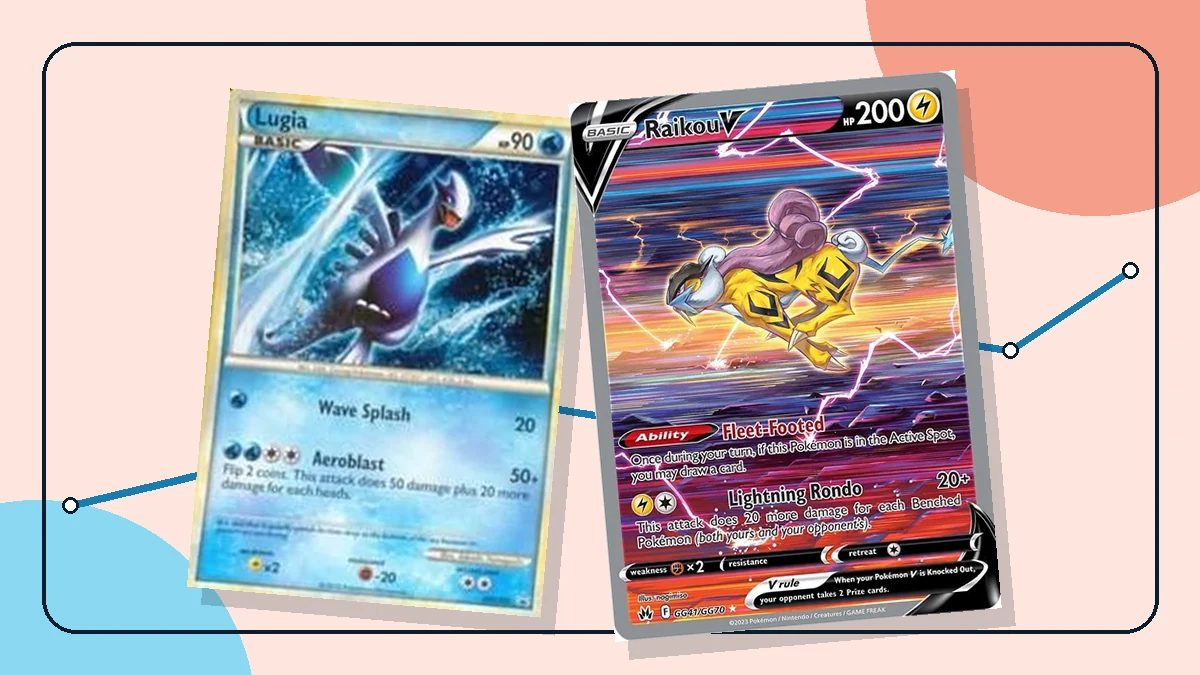

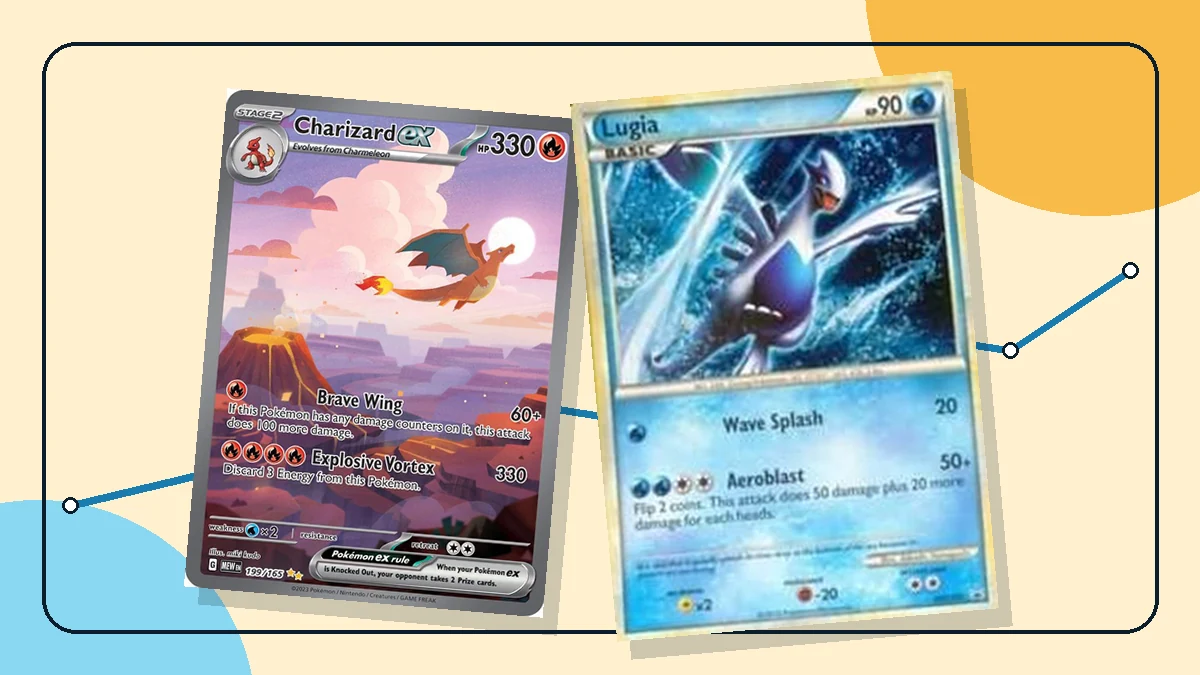
Modern premiums often begin with condition
A new chase card can produce an enormous premium in BGS Black Label or CGC Pristine 10 because only a small fraction of submitted copies receive that designation. The underlying card may still have a large print run.
Vintage premiums often begin with survival
Older cards faced play, poor storage and weaker manufacturing consistency. A vintage PSA 10 can be scarce because few copies survived in top condition, while lower grades remain available. Historical importance and nostalgia add another layer.
Equal prices can hide different exit markets
A modern release may trade quickly while attention is concentrated on the current set. A vintage card may have fewer monthly sales but a mature collector base. Check how often the exact grade sells and how wide the gap is between recent transactions.
Questions to ask before choosing
- Is scarcity in the print run, the grade or both?
- How many comparable sales occurred during the last year?
- Does demand depend on a current release cycle?
- Would you still want the card if its market value were hidden?
Modern and vintage can belong in the same collection. They should not be evaluated with the same shortcut.
Sources checked
- PriceCharting modern versus vintage comparison
- PSA grading standards
- CGC grading scale
- PriceCharting population report announcement
Frequently asked questions
- Are vintage Pokémon cards always safer to buy?
No. Vintage cards can be illiquid, overgraded or bought at an inflated record price.
- Why can a modern card cost more than a vintage card?
A rare top grade, current demand and popular artwork can create a large modern premium.
- What matters more than age?
Exact supply, grade population, sales frequency, condition and collector demand.